Things to Do in Berlin
Twenty attractions worth your time, grouped so you can build a day around one part of the city instead of crisscrossing it. Plus how many days Berlin actually needs, and which neighborhood to sleep in.
The first thing to understand about Berlin is the scale. Inside its own limits the city covers roughly eight times the area of Paris with only about twice the people, so it is spread thin. There is no single downtown where everything happens. There are a dozen centers, and the fastest way to waste a short trip is to plan by ranking instead of by geography.
The second thing is that a lot of what makes Berlin worth visiting is not a monument at all. The city was flattened in World War II and then split down the middle for 28 years, so it lacks the intact old town that draws people to Prague or Vienna. What it has instead is the evidence of the 20th century sitting out in the open: a painted stretch of the Berlin Wall along the river, a field of concrete stelae where the government quarter meets the shopping district, an abandoned airport that the public voted to keep empty. Those places tend to stay with people longer than the palaces do.
Everything below links to a full page with location, transit and the hotels closest to it. Sights are grouped by what they actually are, so you can pick a type of day rather than working down a top-ten list.
Landmarks and icons
These are the buildings and squares that end up on the postcards, and unlike in most capitals they are not clustered in one photogenic old town. Berlin lost its historic center twice, first to bombing and then to the border that ran through it, so the landmarks are spread across the map and stitched together by rail.
 Thomas Wolf, www.foto-tw.de · CC BY-SA 3.0
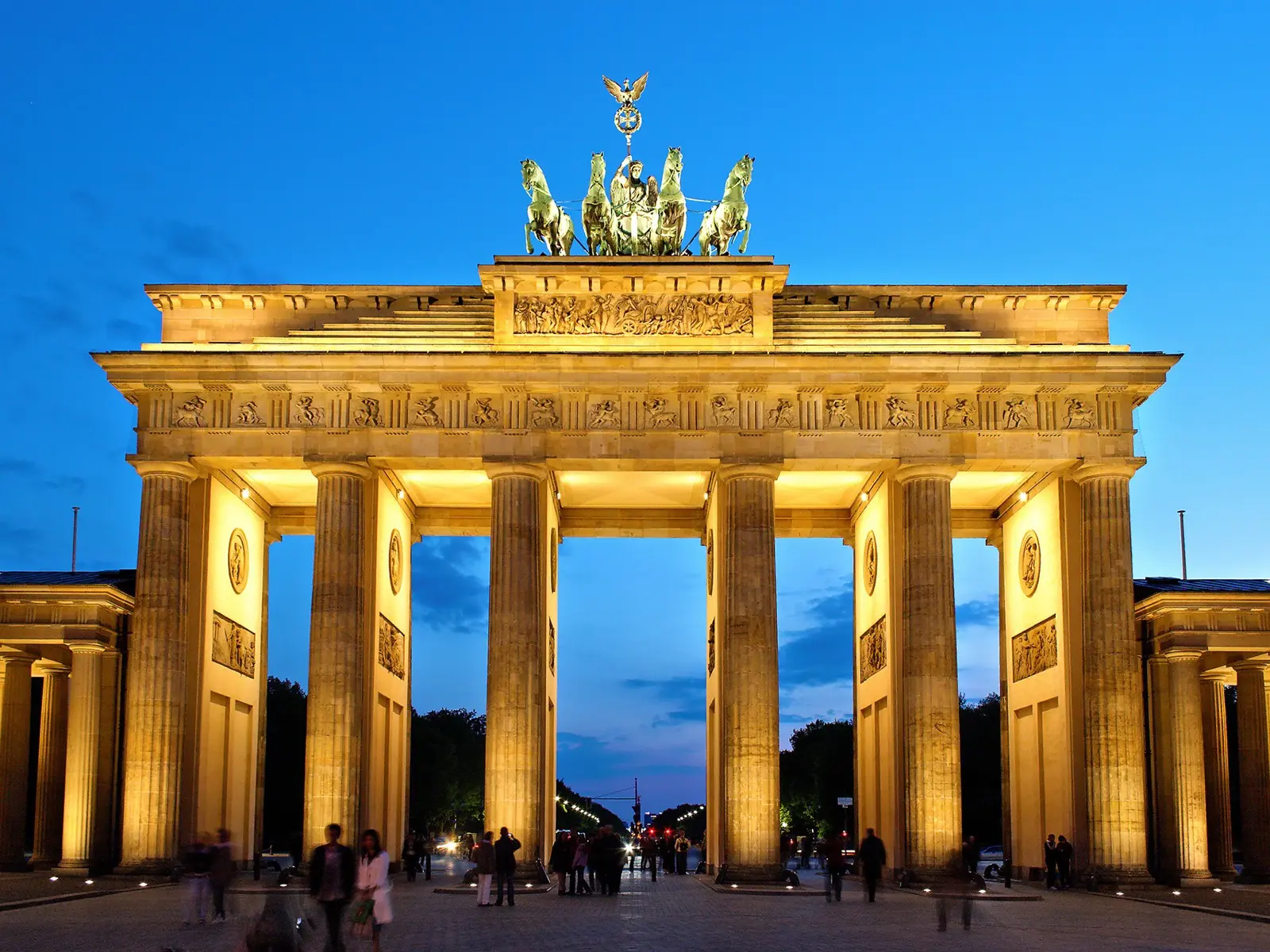
Brandenburg Gate
Berlin's signature landmark and the symbol of reunification, right on Pariser Platz between the Hotel Adlon and the Holocaust Memorial.
 Mfield, Matthew Field, http://www.photography.mattfield.com; edit by Waugsberg (rotation 0,4°) · GFDL 1.2
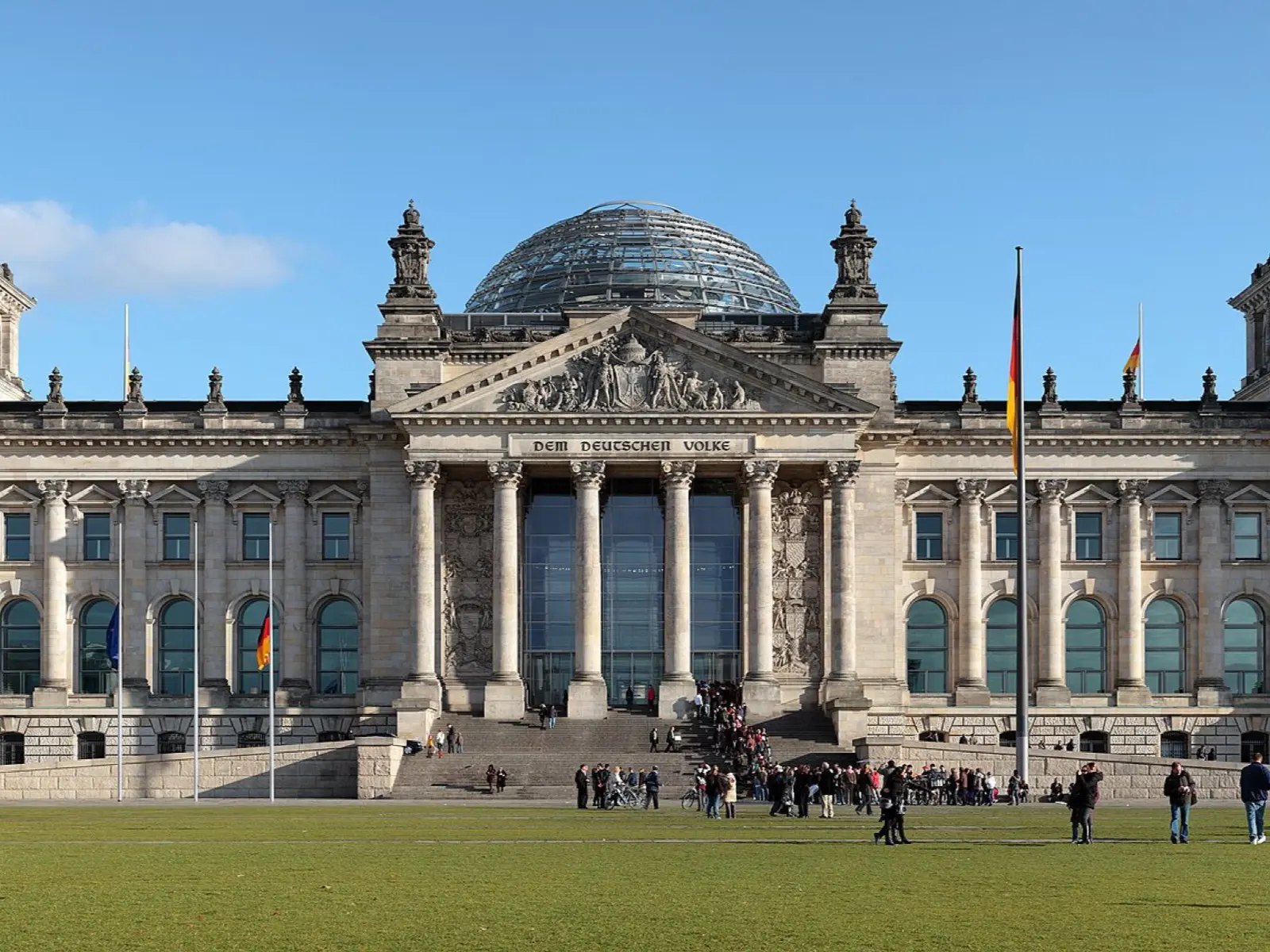
Reichstag
Home of the Bundestag, Germany's parliament, under a glass dome by Norman Foster. Free to visit, but you have to register in advance.
 Marek Heise Fotografie, Berlin · CC BY-SA 4.0
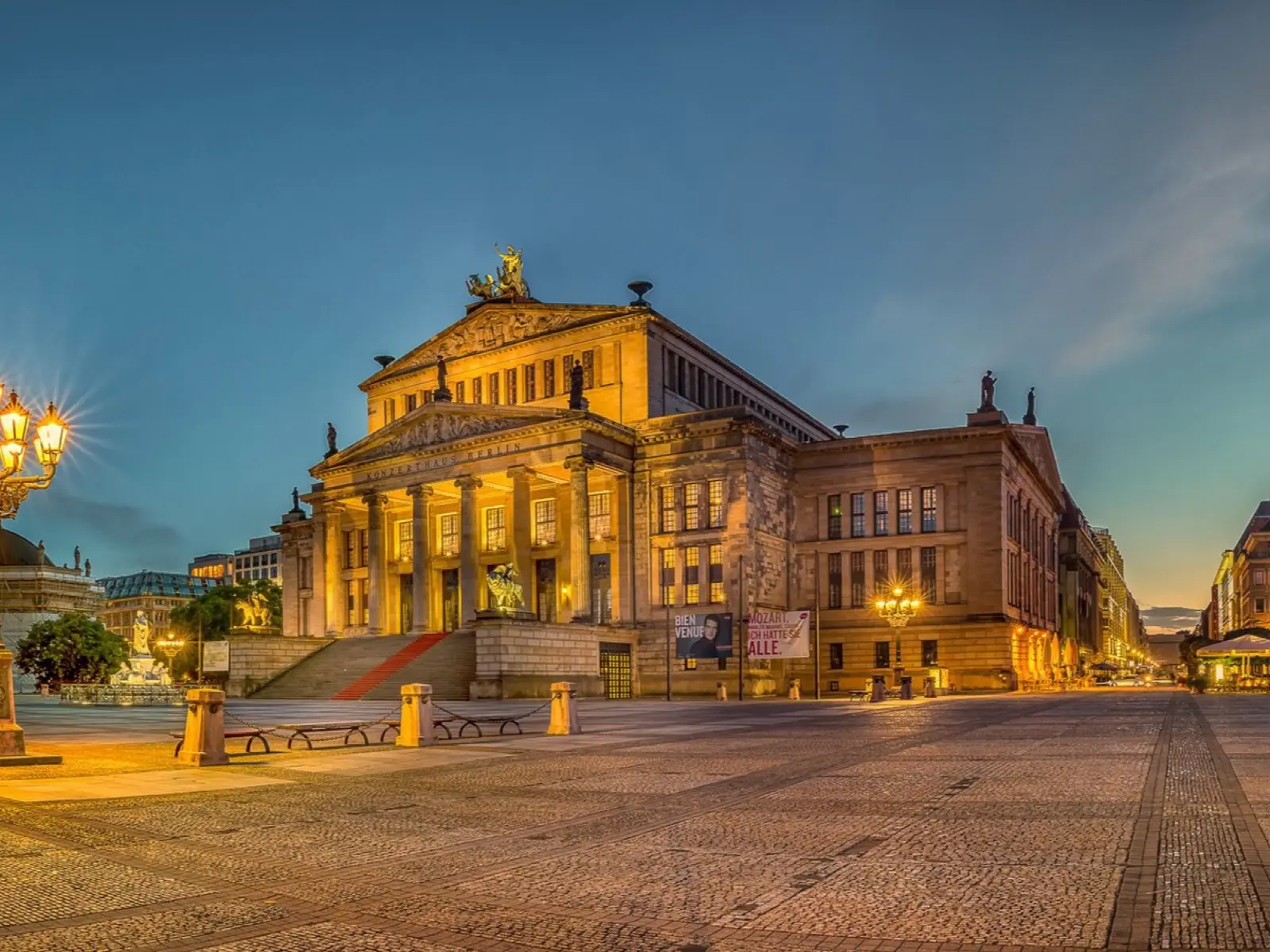
Gendarmenmarkt
Arguably Berlin's most beautiful square: the German and French cathedrals and the Konzerthaus concert hall form one perfect ensemble.
 Avda · CC BY-SA 3.0
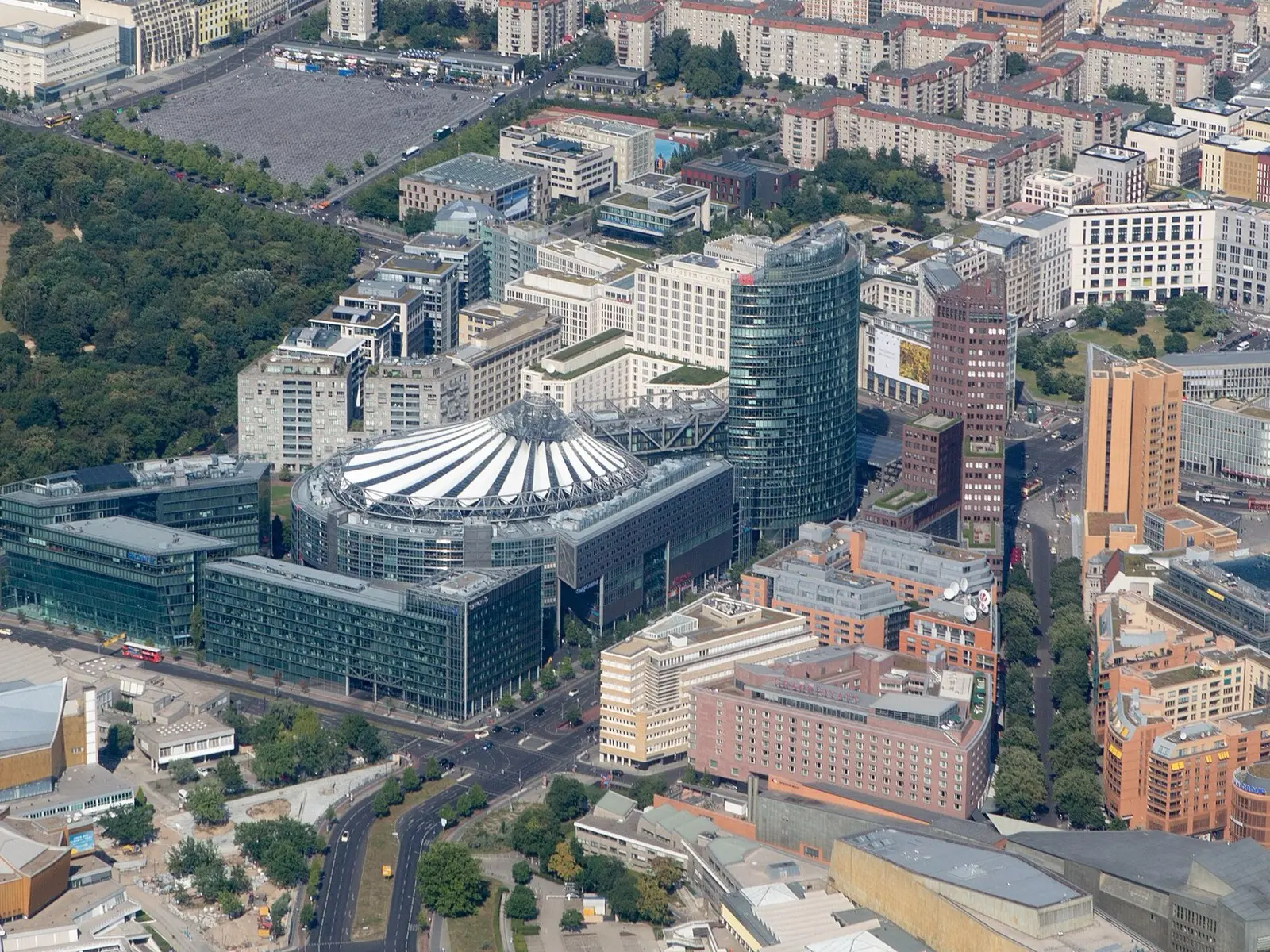
Potsdamer Platz
Modern Berlin in one square: the Sony Center, the Berlinale movie palace and towers by Renzo Piano and Helmut Jahn, all built from scratch after 1990.
 Taxiarchos228 · FAL
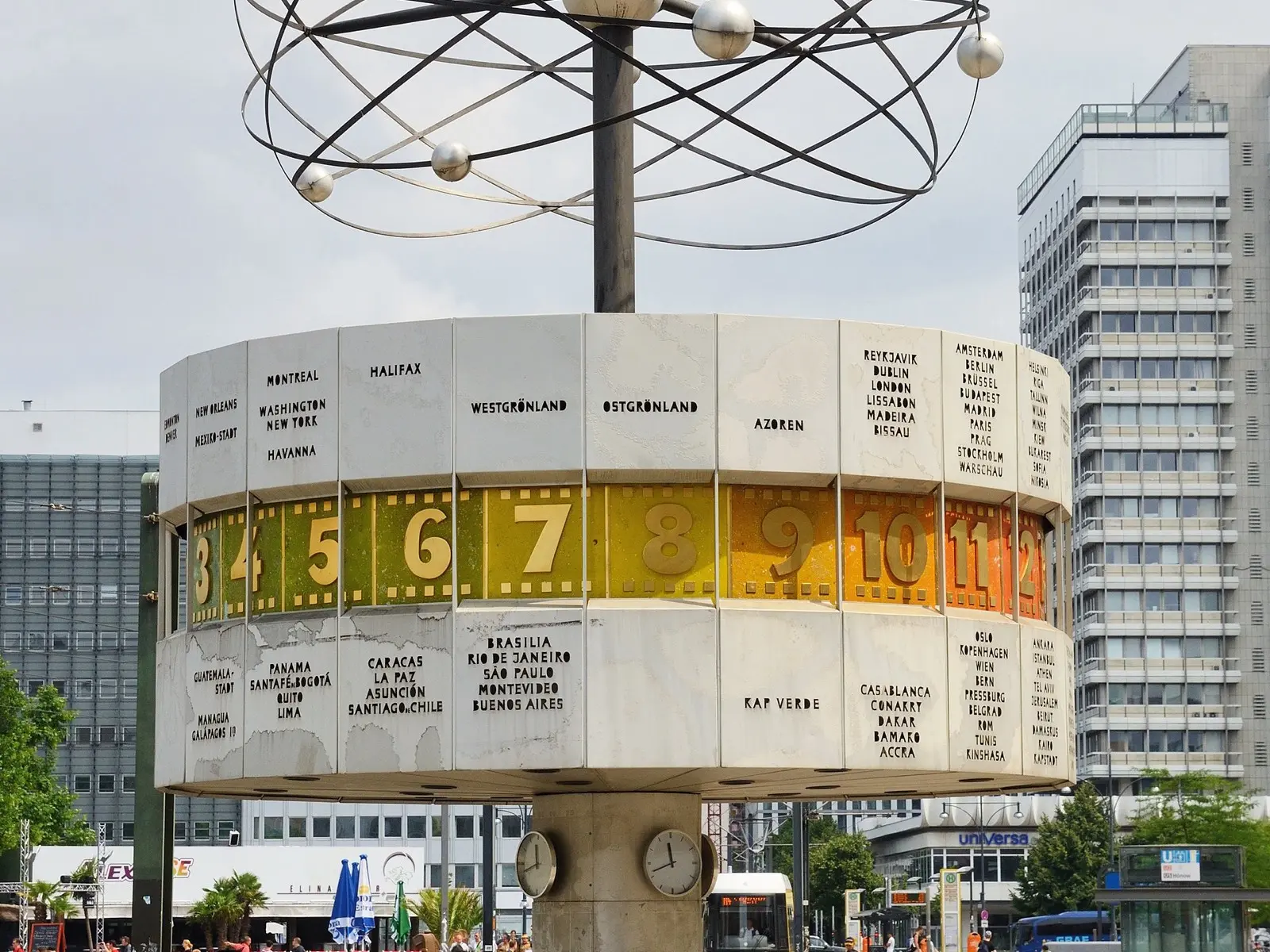
Alexanderplatz
Berlin's busiest transit hub: World Clock, TV Tower, department stores. Almost every U-Bahn (subway) and S-Bahn (commuter rail) line meets here.
 ernstol · CC BY-SA 3.0
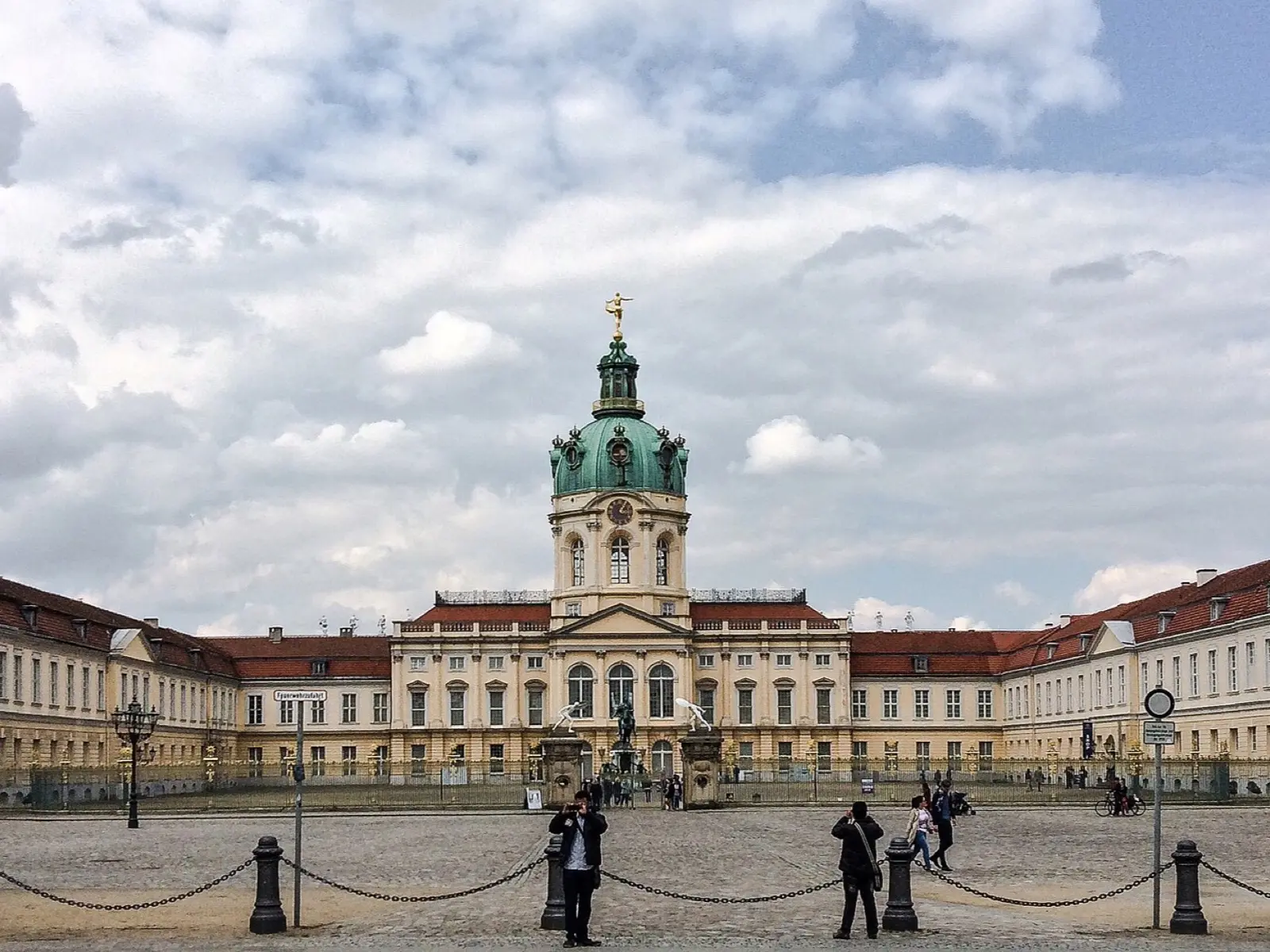
Charlottenburg Palace
Berlin's largest palace: baroque state rooms plus gardens, the Belvedere and the mausoleum. Plan half a day, the park itself is free.
 Nikolai Schwerg · CC BY-SA 3.0
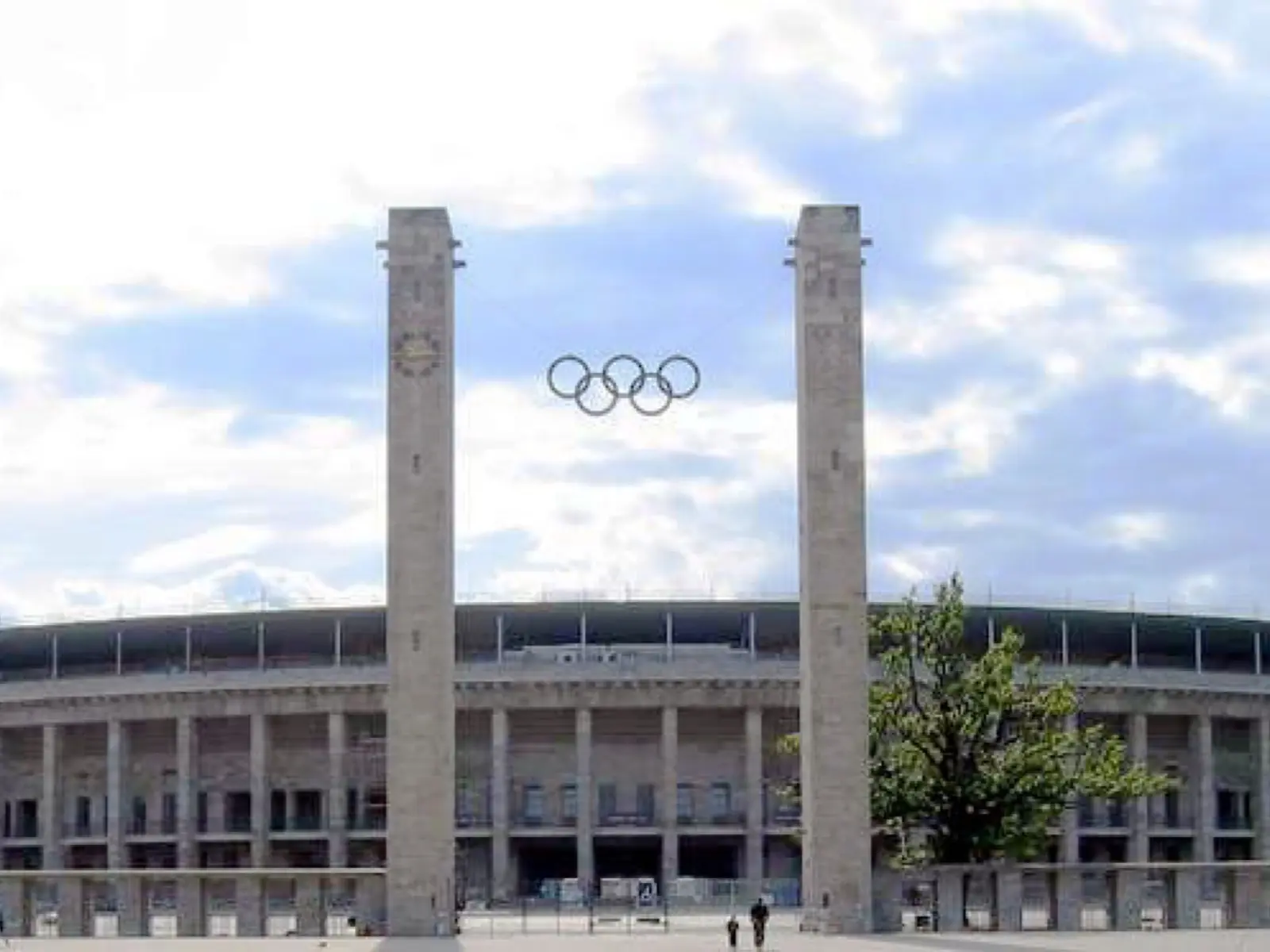
Olympic Stadium
Built for the 1936 Olympic Games, now home to soccer club Hertha BSC and a stage for stadium concerts. The architecture alone is worth the trip.
 Ansgar Koreng · CC BY 3.0 de
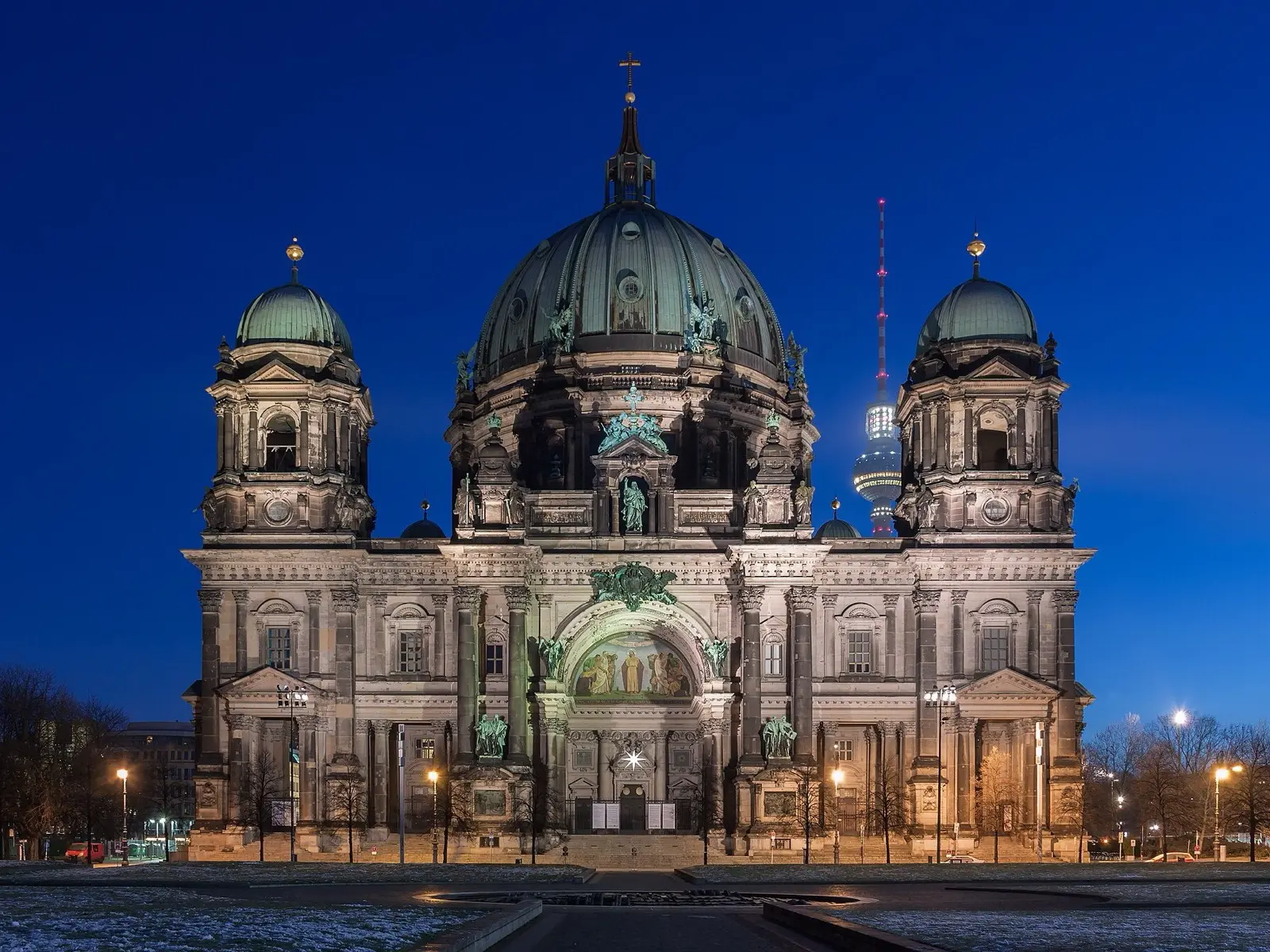
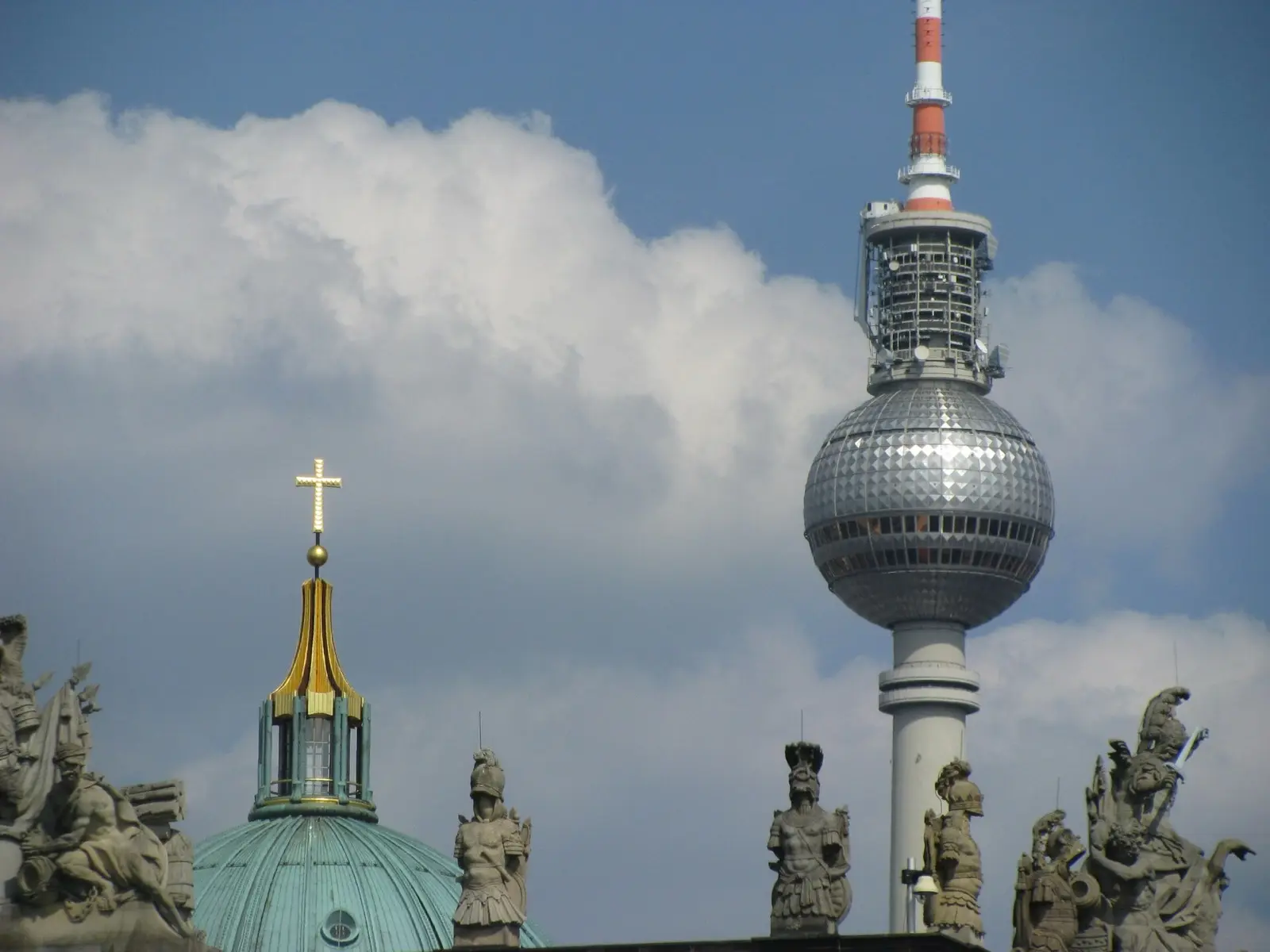
Berlin Cathedral
On Museum Island, the Hohenzollern dynasty's church. Climb the dome for a view over Mitte, or sit on the Lustgarten lawn out front.
The Berlin Wall and Cold War Berlin
From 1961 to 1989 a fortified border ran straight through the middle of this city, and the places below are what is left of it plus the memorial that reckons with what came before. If you only have time for one, make it a real preserved stretch rather than a replica checkpoint.
 Roger Wollstadt · CC BY-SA 2.0
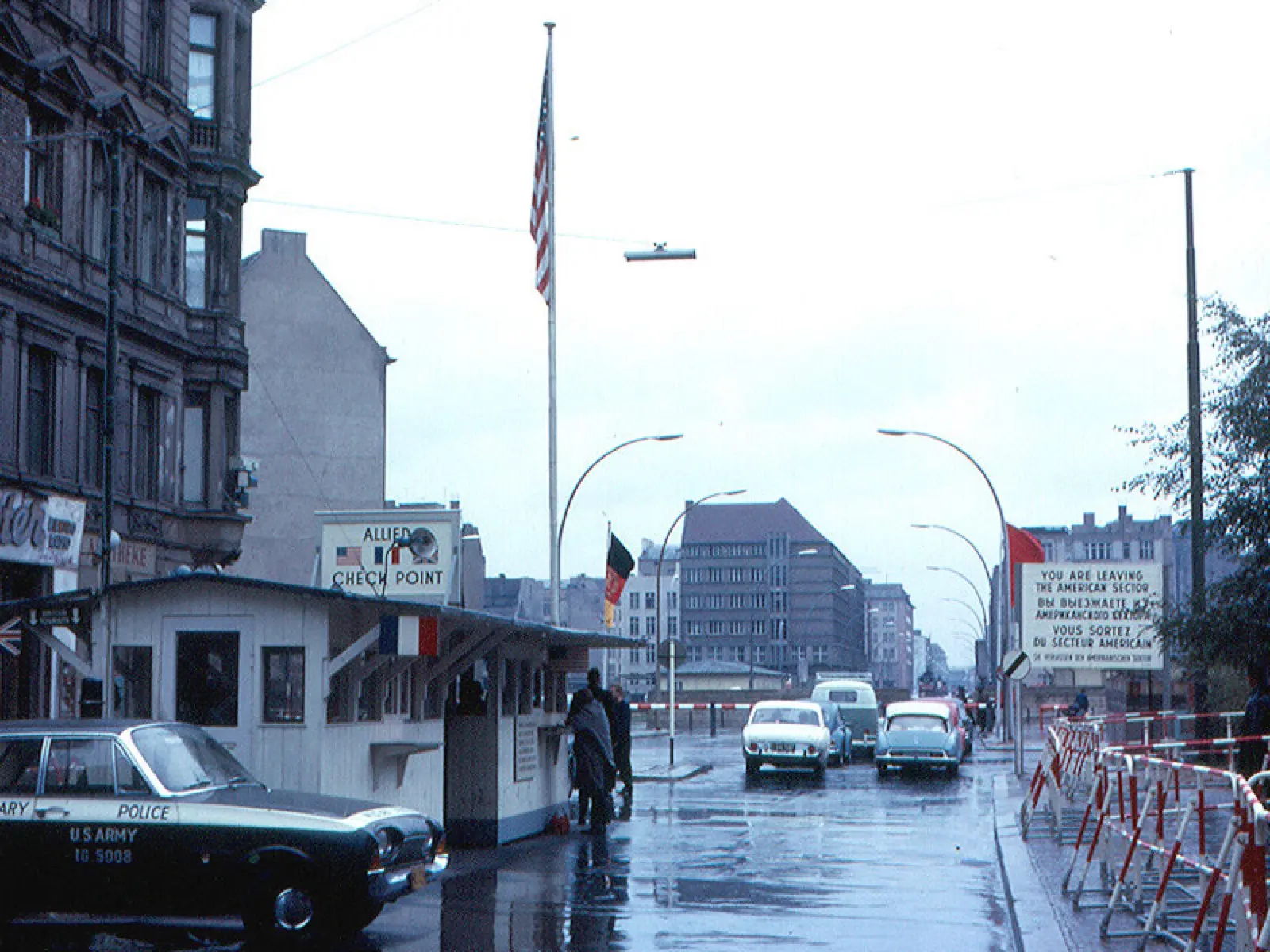
Checkpoint Charlie
The best-known crossing point between East and West Berlin during the Cold War. Open-air exhibition with the Mauermuseum next door.
 Lklundin · CC BY-SA 3.0
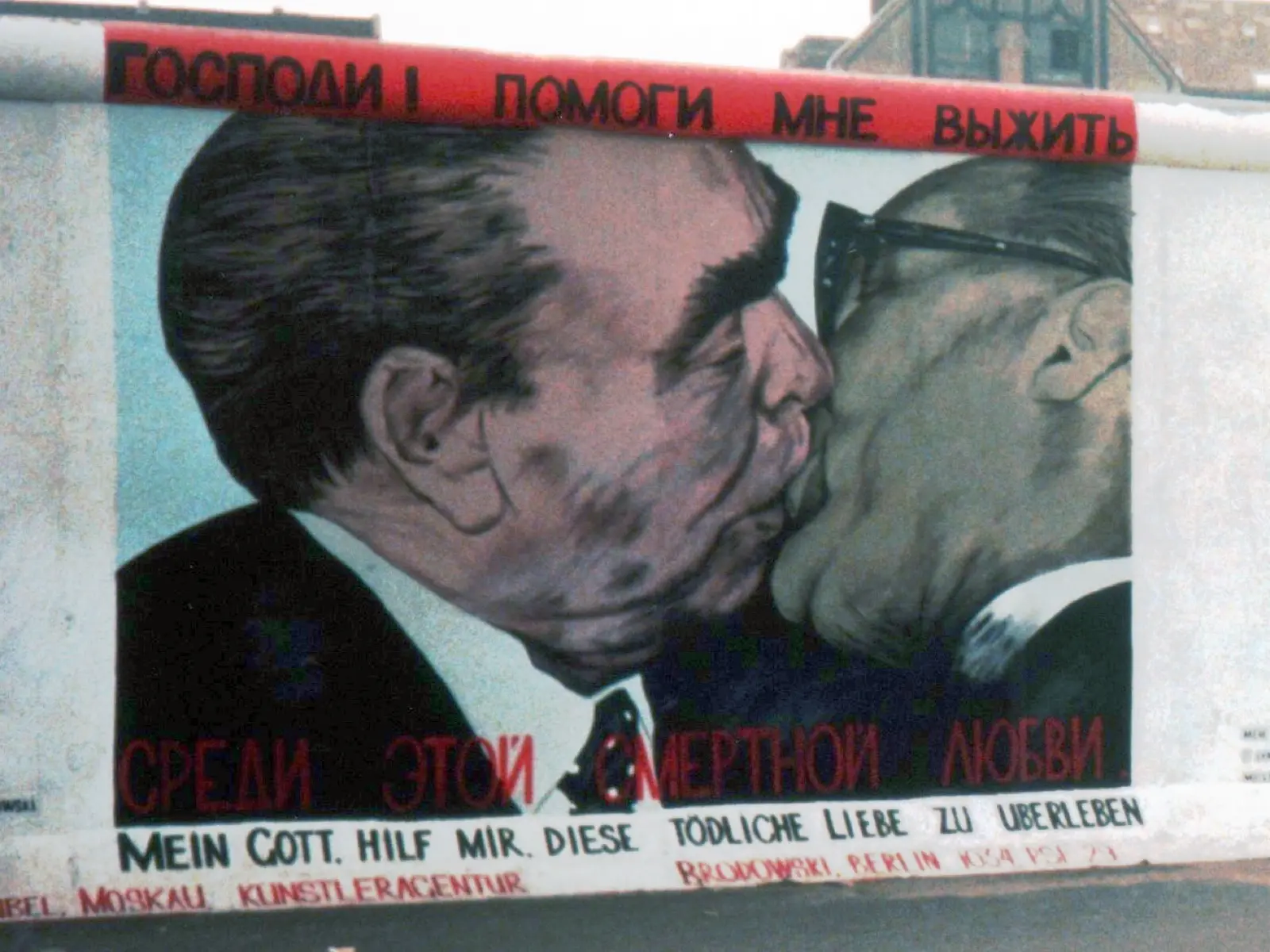
East Side Gallery
A 0.8-mile (1.3 km) stretch of the Berlin Wall covered in 105 murals, the longest continuous open-air gallery in the world.
 Alexander Blum · CC BY-SA 4.0
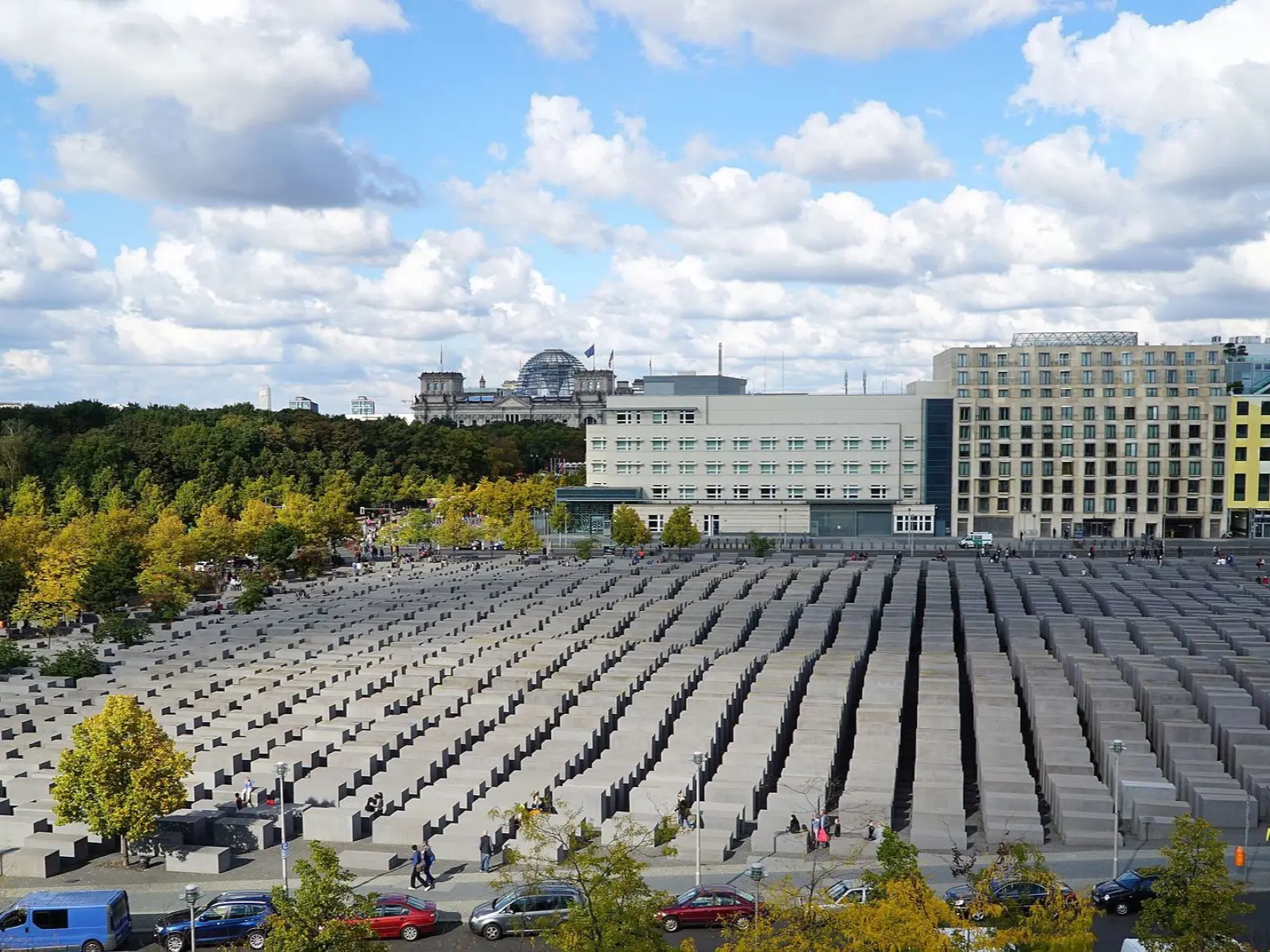
Holocaust Memorial
Peter Eisenman's field of 2,711 concrete stelae between the Brandenburg Gate and Potsdamer Platz, one of Europe's most important memorials.
Museums
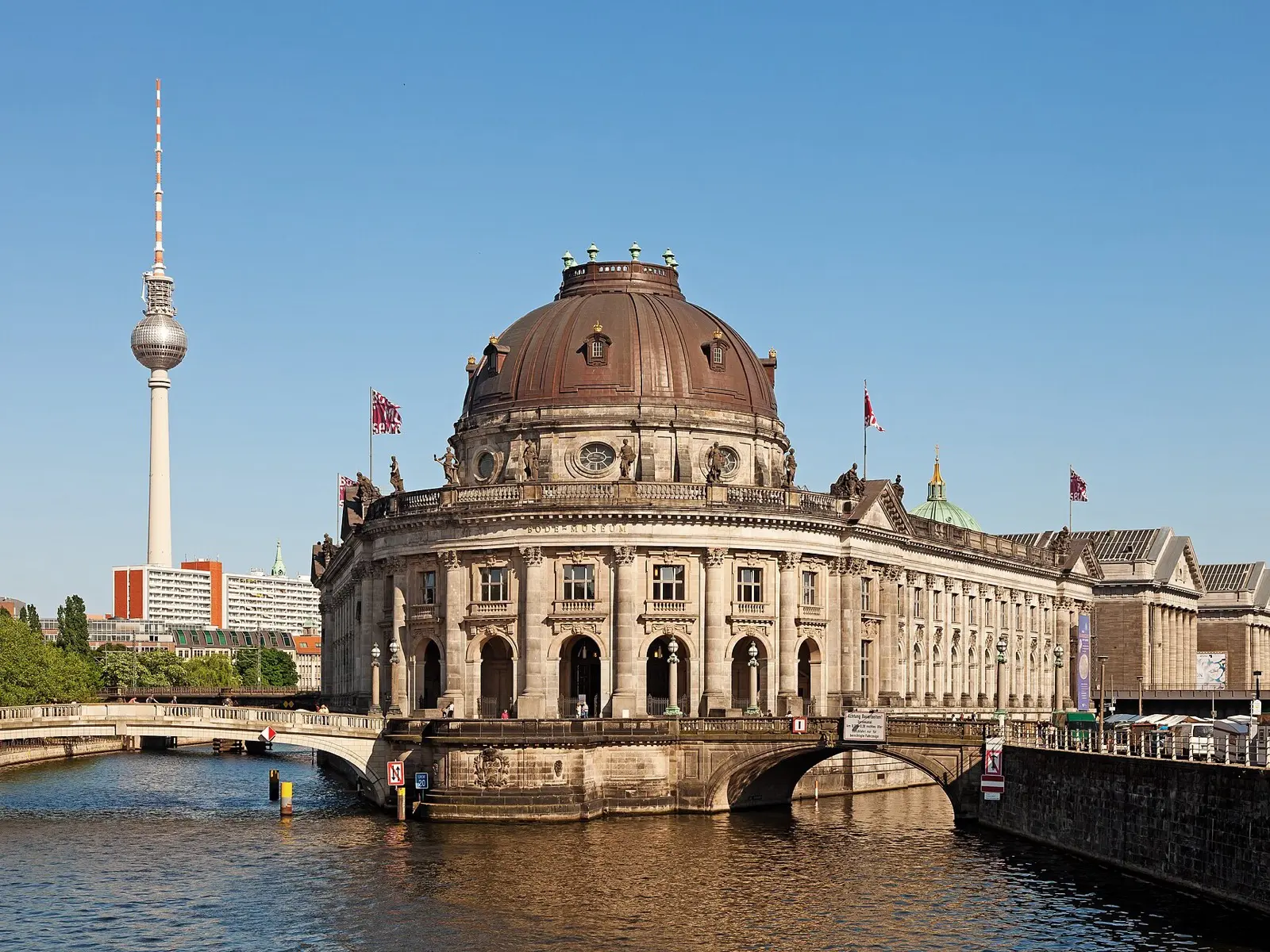
Berlin has more than 150 museums, and the densest concentration of them sits on a single island in the middle of the river. Timed tickets are the norm, and most German museums close one day a week, usually Monday, so check before you build a day around one.
Views over the city
Berlin is flat and low-rise, which means one good vantage point tells you more about how the city is laid out than an afternoon of walking does. Go on a clear day and go early or late; the light in between is unforgiving.
Parks, lakes and open space
About a third of Berlin is green space or water, and locals use it hard. The lakes on the edge of the city are a genuine surprise to most first-time visitors: you can be on a beach, still inside the city limits, 40 minutes after leaving Museum Island.
 Franz Richter (User:FRZ) · CC BY-SA 3.0
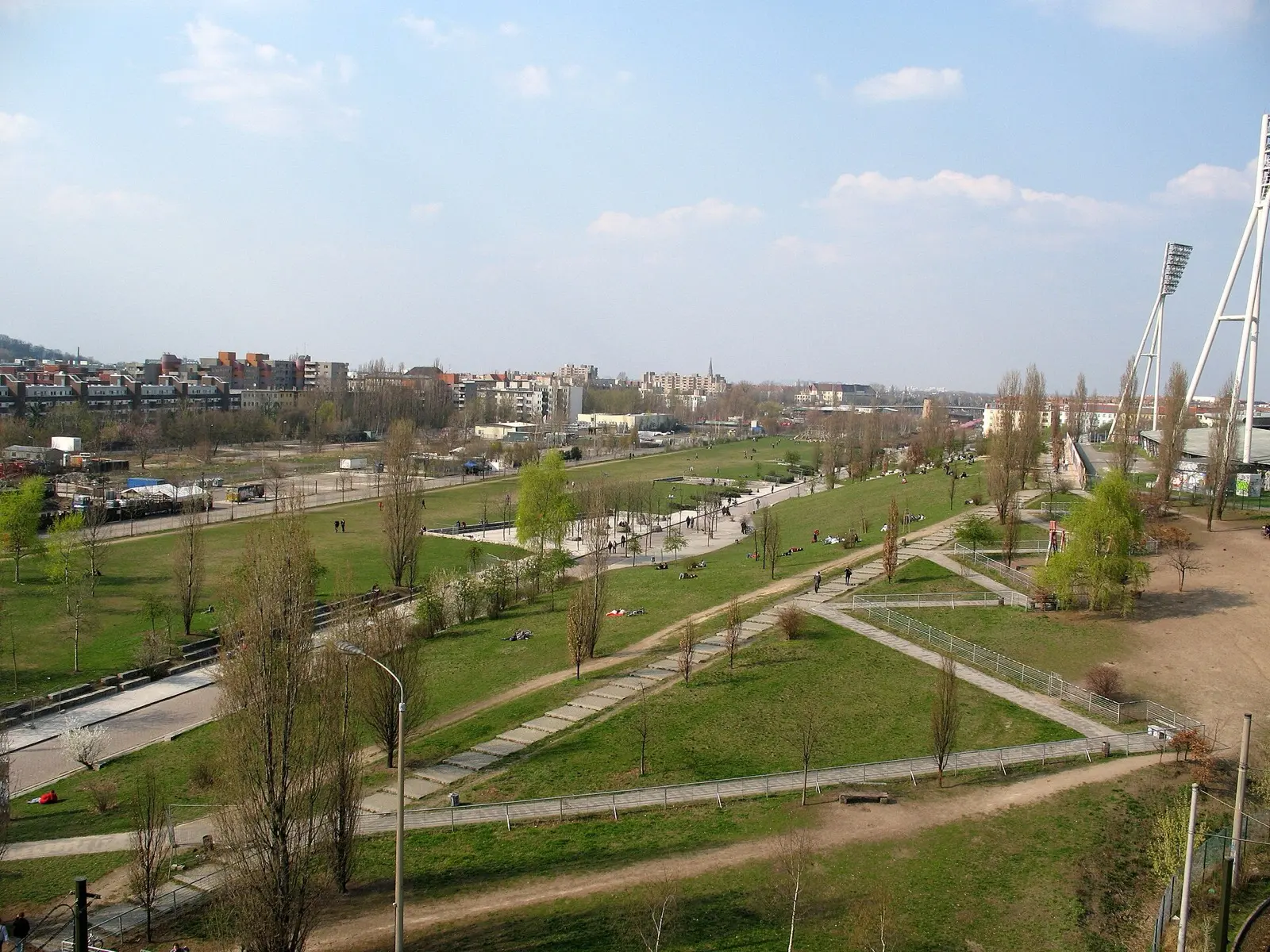
Mauerpark
Built on the old Wall strip, now Berlin's favorite Sunday park, with a huge flea market and open-air karaoke in the amphitheater.
 beedubz · CC BY-SA 3.0
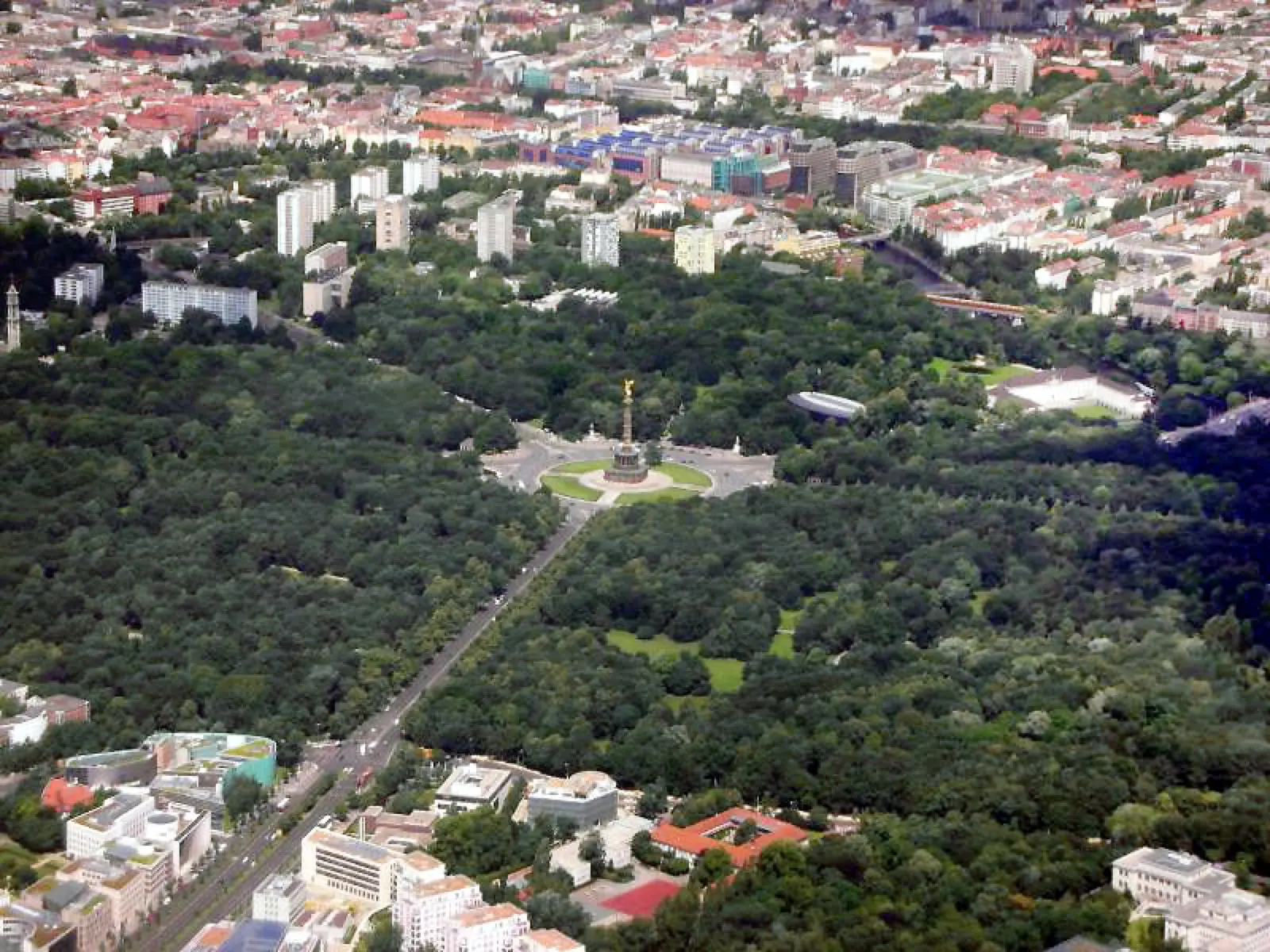
Tiergarten
Berlin's central park, 520 acres (210 hectares) between the Brandenburg Gate and Zoo station. Victory Column, English Garden, Café am Neuen See.
 Coooohen · CC BY-SA 4.0
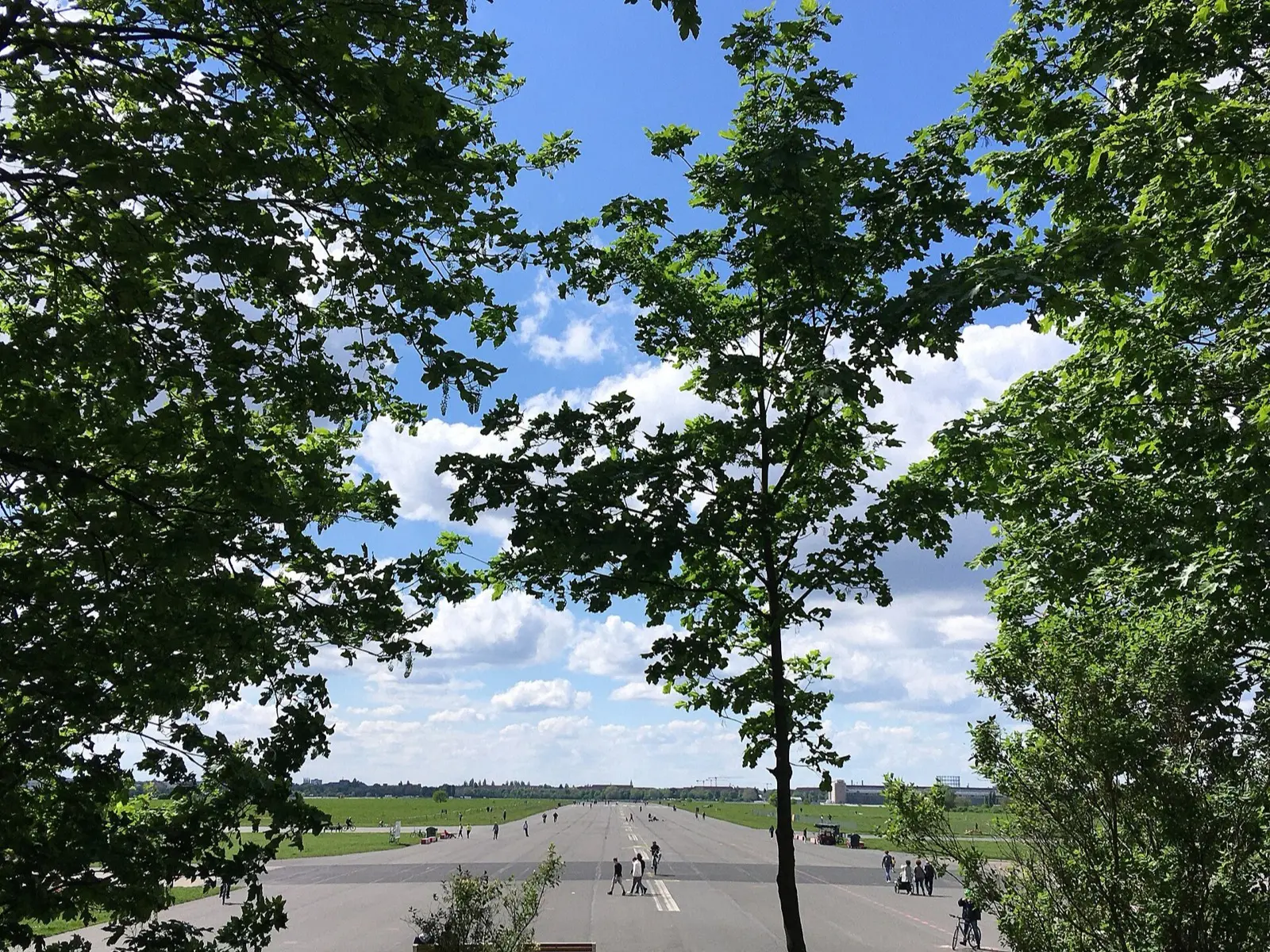
Tempelhofer Feld
A closed airport turned into Berlin's biggest park, roughly 1.5 square miles (4 km²) for skating, picnics and kite flying. The runways are open to all.
 Leonhard Lenz · CC0
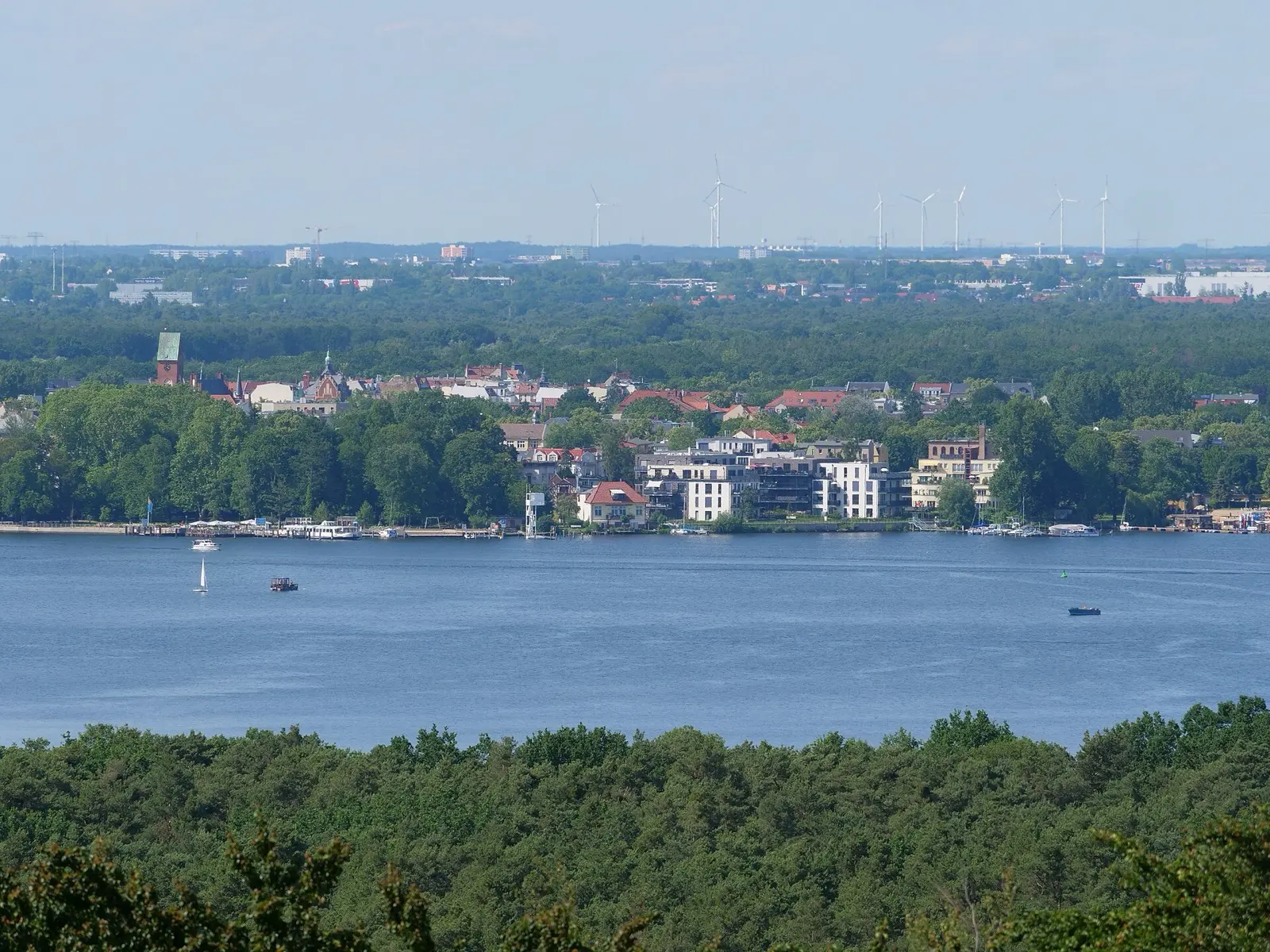
Müggelsee
Berlin's largest lake: swimming beaches, sailboats and the Müggelturm lookout tower. The city's best summer escape, and still inside the city limits.
 Times · CC BY-SA 3.0
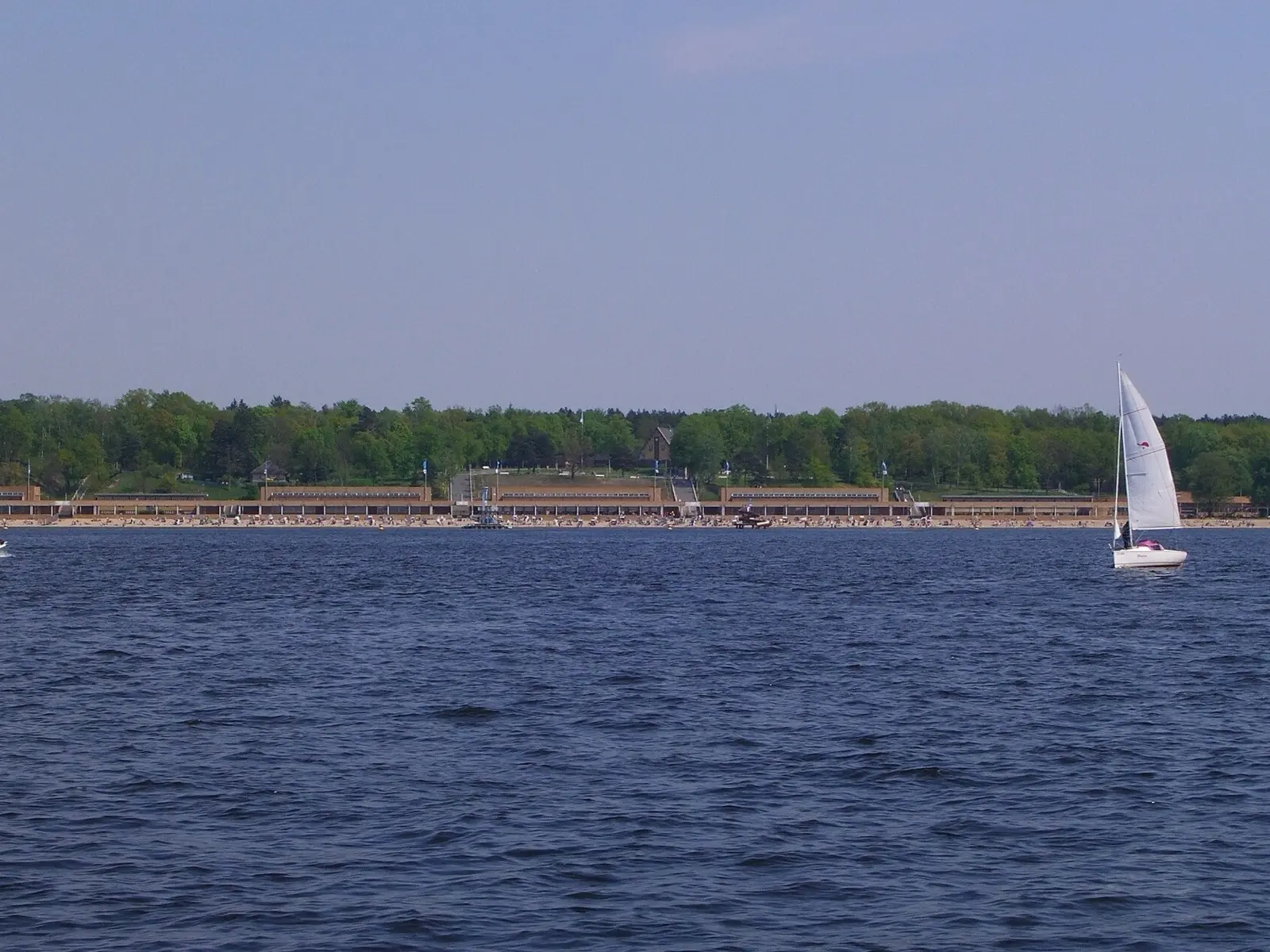
Wannsee
Berlin's most famous swimming lake: the huge Strandbad Wannsee beach, Pfaueninsel island and boats to Potsdam. Summer at its best.
Shopping
Two things to know before you go: German stores are closed on Sundays by law, and plenty of small shops and bars still prefer cash or a German debit card over a credit card. Bring some euros.
 Marek Śliwecki · CC BY-SA 4.0
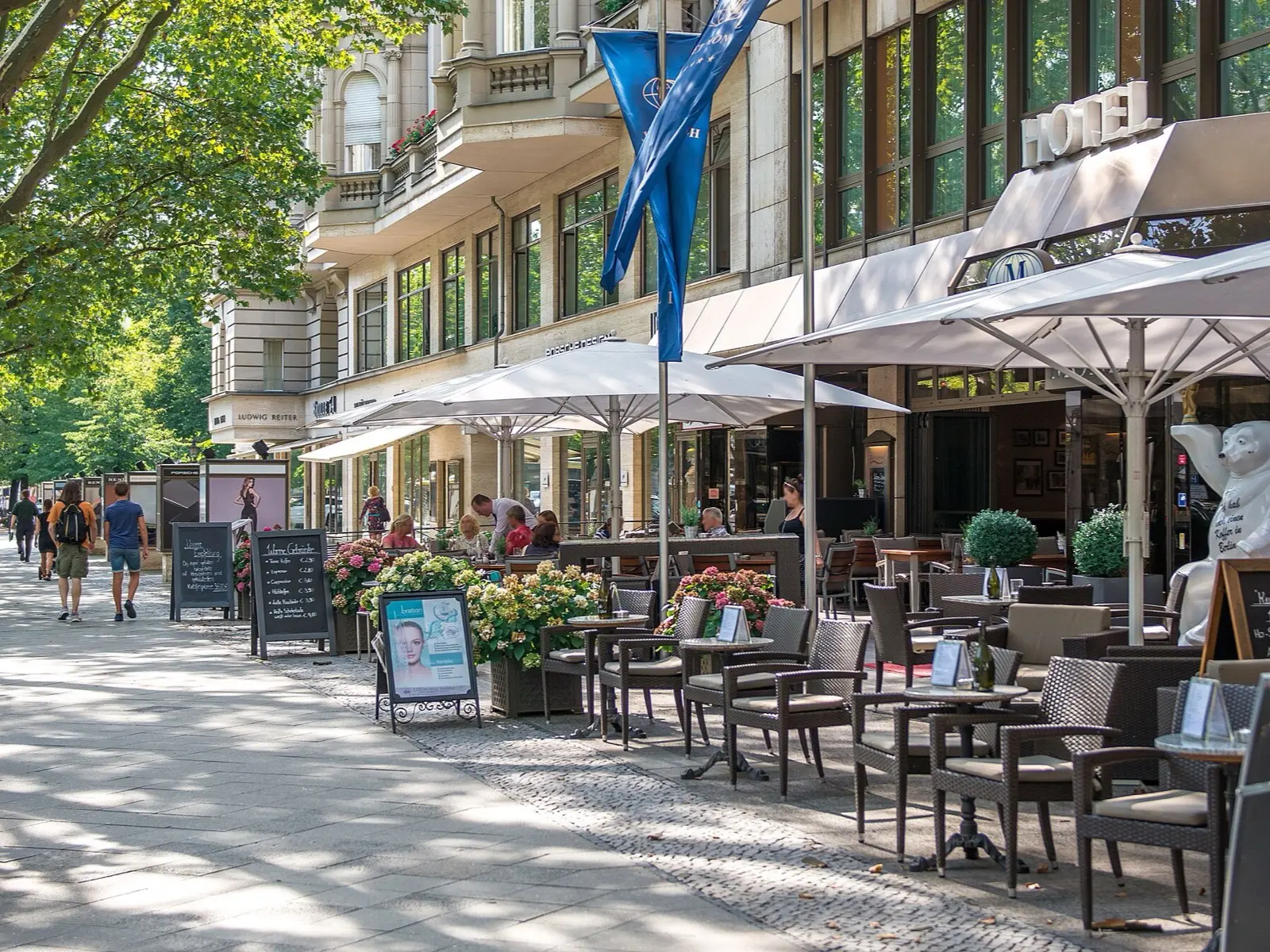
Kurfürstendamm
The West's famous shopping boulevard, 2.2 miles (3.5 km) of boutiques and cafés with the KaDeWe and the Memorial Church at its eastern end.
 Jörg Zägel · CC BY-SA 3.0
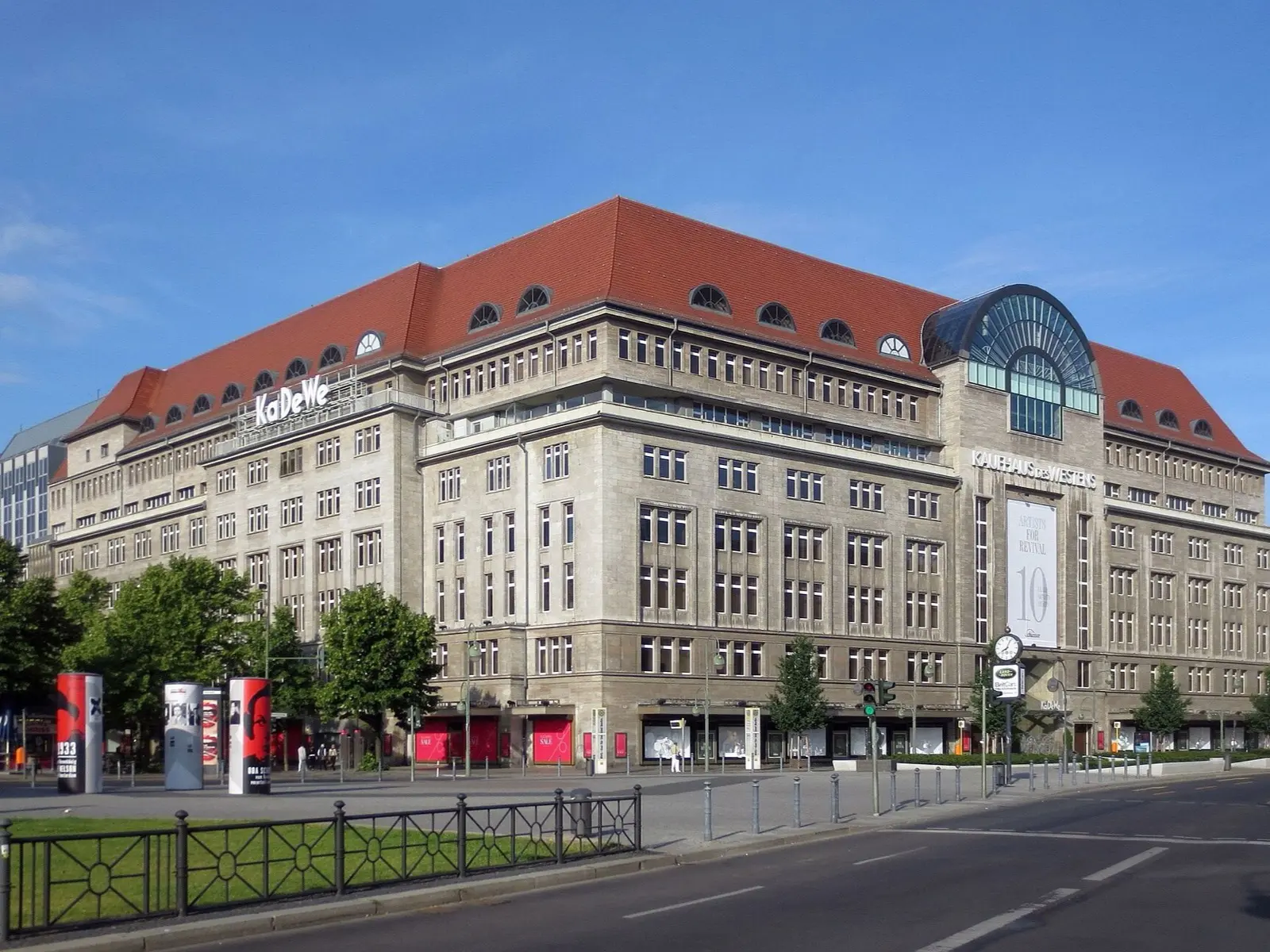
KaDeWe
The largest department store in continental Europe: seven floors and a legendary gourmet food hall on the sixth. A Berlin institution.
Getting between them
Berlin runs two rail systems that Americans tend to confuse. The U-Bahn is the subway, mostly underground and mostly inside the inner city. The S-Bahn is the commuter rail, mostly above ground, and it reaches the lakes, the airport and the outer districts. One ticket is valid on both, plus the trams and buses, and you buy it before you board rather than from a driver.
There are no ticket gates and nobody checks on the way in. Inspectors board at random instead, and the fine for riding without a valid ticket is real. Validate a paper ticket in the small stamping machine on the platform before you get on.
More Berlin travel basics →How many days do you need in Berlin?
Three days is the honest minimum for a first visit. That gets you the Mitte landmarks on one day, the Berlin Wall sites and Kreuzberg on another, and City West plus the Tiergarten on a third, with each day staying inside one part of the map. Two days means cutting a whole theme. Four or five lets you add a lake, a museum you actually sit down in, and an evening that is not scheduled.
Each plan below is written hour by hour, with realistic time windows, transit notes and a place to eat between stops.
Thomas Wolf, www.foto-tw.de · CC BY-SA 3.03 Days in Berlin
The classic first-timer plan: Mitte landmarks on day one, Berlin Wall history in Kreuzberg on day two, Charlottenburg and the Tiergarten on day three.
Coooohen · CC BY-SA 4.0Berlin with Kids
A family weekend in Berlin: the zoo, Tempelhofer Feld, the Mauerpark flea market and enough downtime built in that nobody melts down by 3pm.
 Thomas Wolf, www.foto-tw.de · CC BY-SA 3.0
Berlin When It Rains
A rainy-day plan for Berlin: three museums on Museum Island, a covered lunch near Hackescher Markt and an afternoon inside the KaDeWe.
Where to stay near the sights
In a city this spread out, the neighborhood you book matters more than the hotel itself. A room 25 minutes from the nearest station will cost you an hour a day. Berlin has 12 official districts, but only a handful make sense for a first visit, and the difference between them is character as much as distance.
Mitte
Walking distance to the Brandenburg Gate, Museum Island and the Reichstag. The obvious pick for a short first trip, and the most expensive.
Friedrichshain-Kreuzberg
The East Side Gallery, the club scene and the best casual food in the city. Younger, louder, cheaper than Mitte and one train ride from it.
Charlottenburg-Wilmersdorf
City West: the Kurfürstendamm, KaDeWe and Charlottenburg Palace. Calm residential streets at night, good value, about 15 minutes into the center.
Pankow
Prenzlauer Berg, the Mauerpark and rows of restored 19th-century apartment blocks. The neighborhood most visitors say they wish they had stayed in.
Tours and tickets in Berlin
Guided walks, museum entry and skip-the-line tickets for the sights above.
* Tours & tickets by GetYourGuide. We earn a commission on bookings made through the markers. No extra cost for you.